Who are the "Heroes" of datalit? 🦸

"The simple message to governments around the world must be consistent and forceful: raw data, now! Opening up data is fundamentally about more efficient use of resources and improving service delivery for citizens. The effects of that are far reaching: innovation, transparency, accountability, better governance and economic growth." -->
-- Tim Berners-Lee - photo from Capital.gr

Photo: Alex Engel, CC BY-NC-ND 2.0
NYT - California Megastorm is a recent example of a stunning work of data journalism on a complex and current subject, presented with meticulously researched arguments and impressive data visualizations. Data Journalists, in general, are on the frontlines of making the public more data-aware and -literate.
 tosdr.org
Sites like TOS;DR give us a simple :traffic_light: system to understand the conditions under which data on the Internet is collected and shared. You can even install plugins (e.g. DuckDuckGo) which make it easier to keep track of your basic data footprint: the trail of cookies and IP addresses you leave on the Web, which is picked up by the data analytics of marketers and many others.
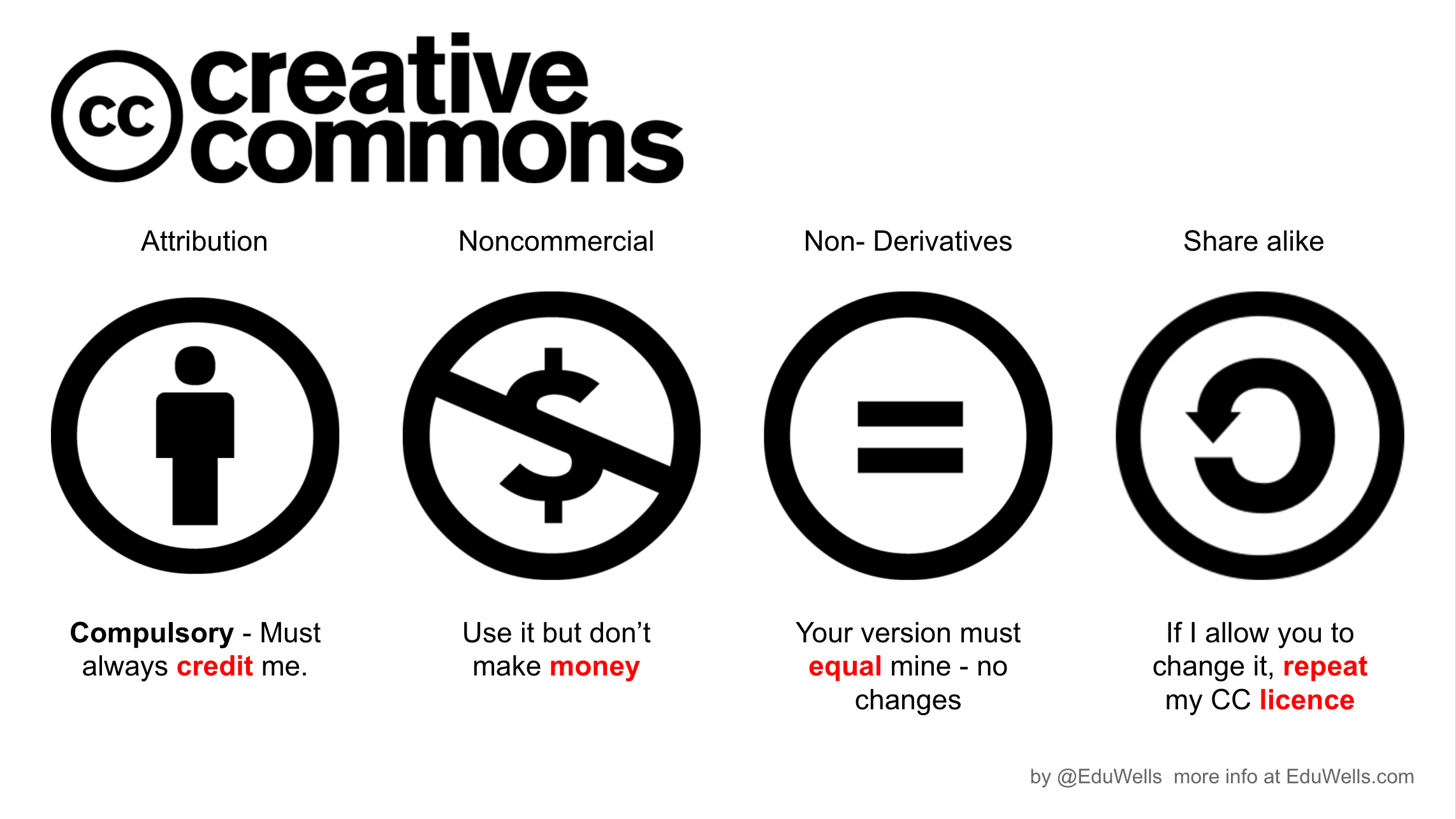 creativecommons.org
Innovative forms of exchange
Open standards, such as the Creative Commons licenses, allow people to share their data and content freely, without relinquishing their rights, and participate in the new platforms and economies of remix culture.
 opendefinition.org
The Open Definition is a document maintained in 45 languages by Open Knowledge, which specifies what we mean by "open content" or "open data". It encompasses ideas which are reflected in a variety of Open Licenses and tools.
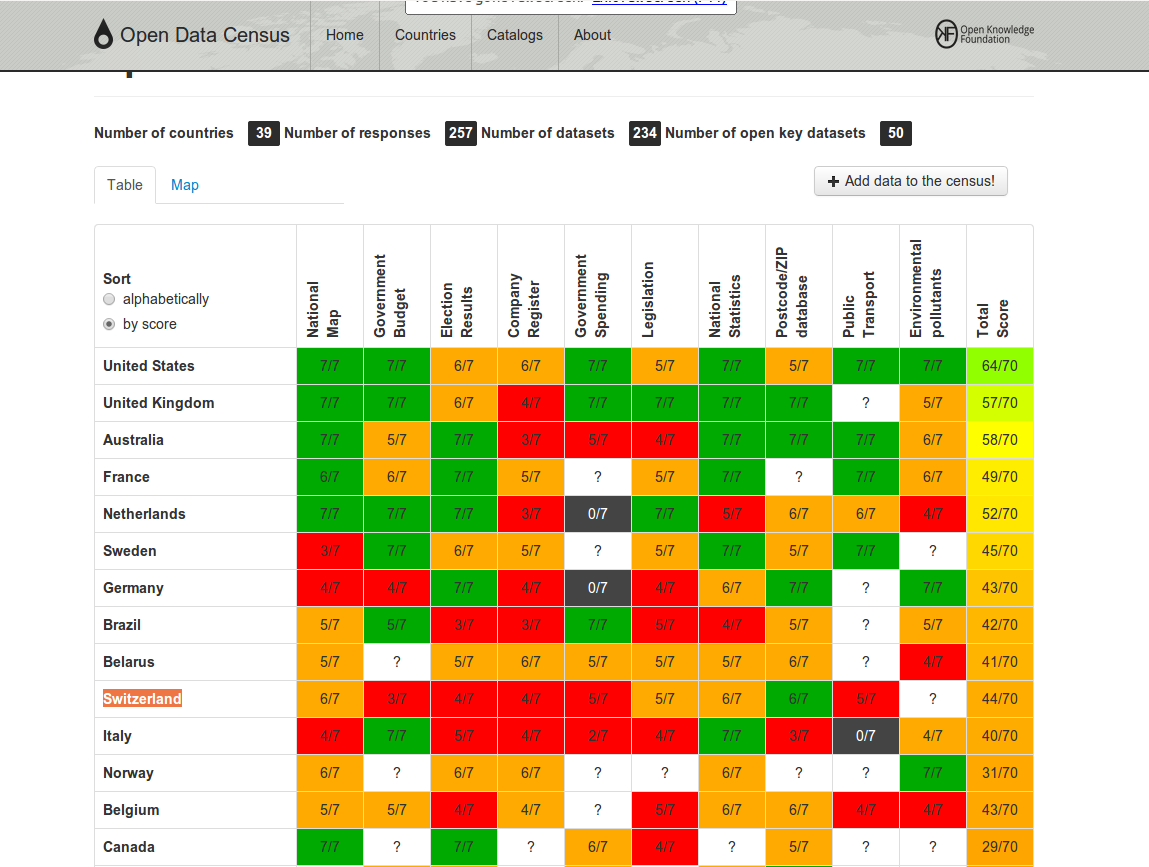
The Open Data Barometer and Open Knowledge Census track how well countries around the world are implementing policies around data sharing or data protection.

Portals like the data.europa.eu enable people around the world to more efficiently discover and use data provided by authoritative sources - such as their governments or universities. They help to raise the quality of public data sources and promote exchange on all sides.
What "Villains" lurk here? 🦹
"One may smile, and smile, and be a villain; at least I'm sure it may be so in Denmark."
― William Shakespeare, Hamlet

Image c/o Econlib
The "expert society" is one way to describe a frame of mind that opposes data literacy by leaving decisions in the hands of specialists, limiting access to public inquiry, and assuming that there is only one correct way to frame a problem and analyse the facts. The flip-side of this coin is that we are able to avoid spending time worrying about problems by paying someone else to. No surprise, then, if they act in self-interest.

Image c/o WHO
Information overload is a dominant malaise of our times. We are bombarded with attention-seeking arguments and stats on all sides. Determining the most relevant and truthful parts preoccupies us. “The abundance of books is distraction!” --Seneca the Elder

Image c/o Kindersley, Canada
Un-reliable sources of data, the virality of "fake news" - arguments masquerading as knowledge, the speed with which shocking claims circle the globe on digital networks... We urgently need to combat misinformation through diligence, discipline and better data.

Shady data brokers peddling their wares on the "dark web" have created a thriving market for leaked, forged and stolen data. The Tor network (shown above) can be both a tool for protecting the rights of honest citizens, as well as the activities of criminals. From identity theft to blackmail, we have to be constantly vigiliant and verify before we trust.

Check out the Data Privacy resources from Electronic Frontier Foundation and Digitale Gesellschaft (image above) to learn how to protect yourself and those around you, and to assert your digital rights.